
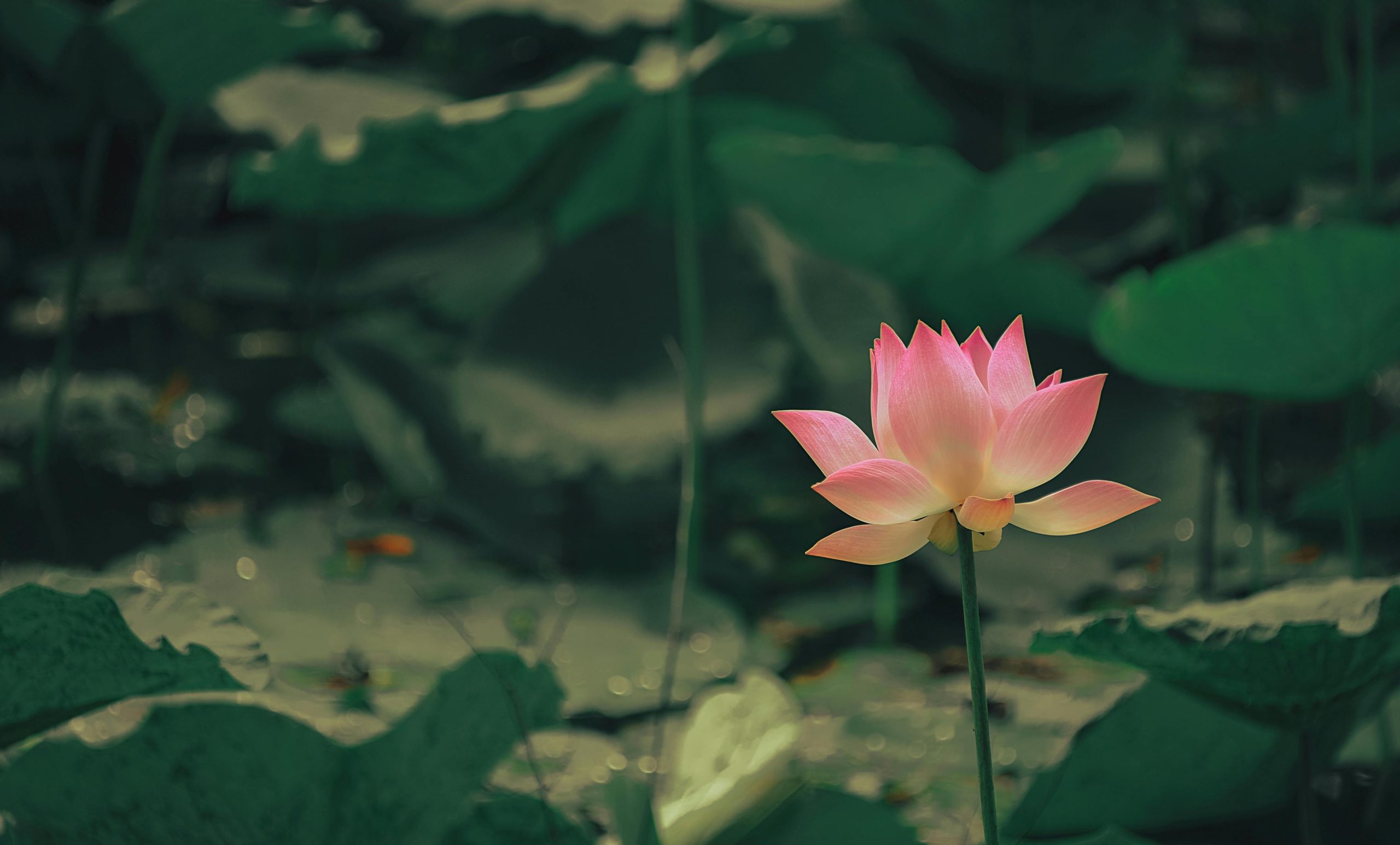
The India most famous is lotus with flower
He lotus flower, or Nillumbik nucifera, holds immense significance in India, both culturally and spiritually. As the national flower of India, the lotus represents purity, beauty, and spiritual enlightenment. It grows in muddy waters, symbolizing how one can remain unstained by life’s challenges. This resilience is a key characteristic that the lotus embodies in Indian philosophy.

On a national level, the lotus is India’s national flower, symbolizing the country’s unity, resilience, and spiritual depth. Just as the lotus blooms even in the murkiest of waters, it is a metaphor for the Indian people’s ability to thrive and grow despite challenges. It embodies the spirit of hope, prosperity, and the nation’s enduring cultural and spiritual heritage.
In conclusion, the lotus flower is not only a beautiful and iconic plant but also a profound symbol of purity, enlightenment and spiritual growth in India. It is deeply embedded in the country’s religious and cultural fabric, representing both individual and collective aspirations for transcendence and divine beauty. Whether in Hinduism, Buddhism, Jainism, or Indian national identity, the lotus remains a timeless symbol of India’s rich spiritual and cultural legacy.
In Hinduism, the lotus is frequently linked to several gods and goddesses. Goddess Lakshmi,
the deity of wealth and prosperity, is often depicted sitting on a fully bloomed lotus. Lord Vishnu, the preserver of the universe, is also depicted with a lotus in his hand or seated on one, symbolizing purity and divine beauty. The lotus signifies the idea of rising above worldly distractions, as the flower grows from the muddy water yet remains untouched by it, symbolizing purity, enlightenment, and spiritual growth. The lotus is also mentioned in the ancient scriptures of the Vedas, where it represents creation and the unfolding of the universe.
In Buddhism, the lotus flower represents spiritual awakening and the path to enlightenment. The Buddha is frequently depicted seated on a lotus, signifying the purity and wisdom that arise from overcoming life’s sufferings. The lotus is a common motif in Buddhist art, symbolizing the potential for enlightenment in all beings.
Beyond religion, the lotus also holds cultural significance. It is often seen in Indian art, architecture, and literature, further reinforcing its importance in the nation’s heritage. The lotus is also the national flower of India, a symbol of the country’s unity, spiritual depth, and resilience.
In conclusion, the lotus is not only famous in India but also serves as a profound symbol of beauty, spiritual purity, and cultural richness.
Frequently Asked Question?
1. Why is the lotus the national flower of India?
The lotus is the national flower of India because it represents purity, beauty, wealth, and spirituality. It symbolizes the country’s cultural heritage and the ability to rise above adversity, much like the lotus blooms even in muddy waters.
2. What does the lotus symbolize in Hinduism?
In Hinduism, the lotus symbolizes purity, beauty, and spiritual enlightenment. It is closely associated with deities like Goddess Lakshmi (the goddess of wealth and prosperity) and Lord Vishnu (the preserver of the universe). The lotus represents the soul’s journey to spiritual awakening and its ability to rise above the material world.

3. What is the significance of the lotus in Buddhism?
In Buddhism, the lotus represents spiritual awakening and the path to enlightenment. It symbolizes purity of the mind, as it rises from the muddy waters of the material world without being tainted by it. The lotus also reflects the idea of overcoming suffering and ignorance to reach a higher state of being.
4. What are the different colors of the lotus, and what do they represent?
In various traditions, the color of the lotus has different meanings:
- White lotus: purity and spiritual awakening
- Red lotus: compassion and the heart of the Buddha
- Blue lotus: wisdom and knowledge
- Pink lotus: the highest state of spiritual development
5. Where does the lotus flower grow in India?
The lotus is commonly found in ponds, lakes, and water gardens across India, especially in regions with a warm, tropical climate. It thrives in still, shallow waters, where it can bloom beautifully during the summer months.