
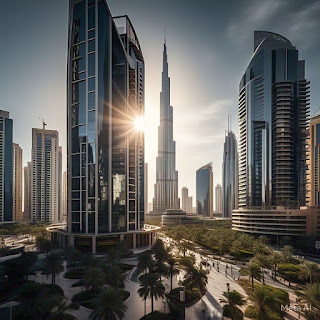
The Culture of Dubai: A Blend of Tradition and Modernity
Dubai, the largest city in the United Arab Emirates (UAE), is known worldwide for its dazzling skyscrapers, luxury shopping, and ultra-modern lifestyle. However, beneath the surface of this contemporary oasis lies a rich cultural heritage that is deeply rooted in the traditions of the Arabian Peninsula. The culture of Dubai is a unique blend of traditional values and modern influences, where old customs and practices coexist with cutting-edge innovation and globalism. This fusion creates a dynamic and diverse society that attracts millions of visitors and residents from around the globe. In this essay, we will explore the key aspects of Dubai’s culture, focusing on its historical background, cultural traditions, the impact of modernization, and how Dubai successfully navigates the intersection of both worlds.

1. Historical Background: From Fishing Village to Global Hub
To understand the culture of Dubai, it is essential to begin with its history. Dubai was once a small fishing village located along the shores of the Persian Gulf. Its early economy was based on fishing, pearl diving, and trade. In the early 19th century, the ruling Al Maktoum family took power and established Dubai as a key port for trade between Europe, Asia, and Africa. The city grew steadily over the centuries, but it wasn’t until the discovery of oil in the 1960s that Dubai truly began its rapid transformation.
Before the oil boom, Dubai’s culture was shaped by the harsh desert environment and the nomadic Bedouin lifestyle. The people of Dubai were primarily traders, fishermen, and pearl divers, and their daily lives were influenced by Islam, which is the dominant religion in the UAE. Islamic traditions, values, and social norms were embedded in every aspect of life, and these influences continue to play a significant role in the culture of Dubai today.
When oil was discovered, it brought wealth and prosperity to the region. However, the rulers of Dubai were pragmatic and foresaw the need for diversification. They invested heavily in infrastructure, education, and tourism, ensuring that the city would not be reliant on oil alone. This forward-thinking approach has allowed Dubai to evolve into a global metropolis that attracts people from all corners of the world. As the city modernized, the cultural fabric of Dubai began to weave together the old and the new, giving birth to a unique and vibrant cultural identity.
2. The Role of Islam in Shaping Dubai’s Culture
Islam is the cornerstone of Dubai’s cultural identity. The UAE is an Islamic country, and the teachings of Islam influence nearly every aspect of life in Dubai, from its social practices to its laws and governance. The majority of the population in Dubai is Muslim, and the city’s culture is deeply rooted in Islamic traditions.

Islam places a significant emphasis on the roles of men and women, and while Dubai is relatively progressive compared to other parts of the region, gender roles are still largely influenced by religious and cultural norms. Women in Dubai are encouraged to pursue education and careers, and many are prominent figures in business, government, and the arts. However, Islamic traditions of modesty still influence dress codes, particularly for women, who often wear the abaya or other modest attire in public. Men, too, dress modestly, typically wearing the kanzuri or dishdashi, a traditional long robe.
Dubai’s cosmopolitan nature has created a fusion of cultural influences. While many social practices are derived from Islamic teachings, the international workforce that lives and works in the city has also introduced new customs and lifestyles. This diversity can be seen in Dubai’s nightlife, fashion, and food scene, which draws from global trends while still respecting the Islamic values that shape much of local life.
3. Religion and Daily Life: The Influence of Islam
Islam’s influence on daily life in Dubai is profound, shaping everything from business practices to social interactions. One of the most visible markers of Islamic life is the call to prayer. Each day, the city pauses five times to observe the five daily prayers (salat), with the adhan calling Muslims to worship. While this ritual is deeply important to the Muslim population, Dubai’s cosmopolitan nature means that non-Muslims also coexist with respect for the local religious practices.

The Islamic calendar is observed in Dubai, and key holidays such as Eid al-Fitr (the end of Ramadan) and Eid al-Adha (the festival of sacrifice) are widely celebrated. During the holy month of Ramadan, Muslims fast from dawn until sunset. During this time, the city’s rhythm changes: offices shorten their hours, restaurants are closed during the day, and the pace of life slows down in deference to the spiritual observance. In the evening, families and friends gather to break their fast with Iftar meals, and the city’s restaurants offer special Ramadan buffets.
Dubai is also known for its tolerance of other faiths. The city is home to places of worship for a variety of religions, including Christianity, Hinduism, and Buddhism. Although Islam remains the dominant religion, Dubai has created a welcoming environment for expatriates to practice their faith freely.
4. Fashion: Modesty and Luxury
Dubai’s fashion scene represents a fusion of traditional Islamic values and Western influences. Traditional Emirati clothing includes the kandura (a white robe worn by men) and the abaya (a black robe worn by women). These garments are worn for both practical reasons—given the hot desert climate—and cultural reasons, as they reflect the Islamic values of modesty.

However, Dubai is also known as a global fashion destination, home to some of the world’s most prestigious luxury brands. The city’s shopping malls, such as The Dubai Mall and Mall of the Emirates, feature high-end boutiques from designers like Gucci, Louis Vuitton, and Chanel. Dubai’s growing fashion industry has also seen the rise of local designers who incorporate both traditional and modern elements into their clothing lines.
While the fashion industry caters to luxury and high fashion, Dubai also sees an increasing influence of streetwear and casual styles among younger generations. As the city becomes more globalized, fashion choices are influenced by international trends, and Dubai’s residents are becoming more experimental with their clothing, blending traditional garments with contemporary styles.
5. Conclusion
The culture of Dubai is a fascinating and dynamic blend of tradition and modernity.

It is a city where the ancient and the cutting-edge coexist, creating a unique identity that is constantly evolving. From its rich Islamic heritage and the values of family and hospitality, to its modern skyscrapers, technological innovations, and global cultural scene, Dubai offers a compelling narrative of how tradition and modernity can coexist in a globalized world.
Dubai’s ability to honor its history while embracing the future makes it a symbol of cultural integration and progress. As the city continues to grow and innovate, it will likely remain a beacon of how cultures can adapt, merge, and flourish in the 21st century. In Dubai, tradition is not discarded in the face of modernity; rather, it is woven into the fabric of the city’s forward-looking identity.
Frequently Asked Questions
1. What is the official language of Dubai?
- The official language of Dubai is Arabic. However, English is widely spoken and understood, especially in business and tourist areas.
2. What is the currency used in Dubai?
- The currency used in Dubai is the United Arab Emirates Dirham (AED).
3. What is the dress code in Dubai?
- Dubai is relatively liberal compared to other parts of the UAE, but modest dress is still appreciated. For men and women, covering the shoulders and knees is a respectful guideline, especially in public places and religious sites. Swimwear is acceptable at pools and beaches but should be covered up when leaving those areas.
4. Are there any cultural customs to be aware of?
- Greetings: A handshake is common, but avoid physical contact with the opposite gender unless you have a close relationship.
- Public Behavior: Public displays of affection (like kissing or hugging) are considered inappropriate.
- Respect for Religion: It’s important to show respect for Islamic traditions, especially during the holy month of Ramadan. Eating, drinking, and smoking in public during daylight hours in Ramadan are not allowed.
- Tipping: Tipping is not mandatory but appreciated. A standard tip is around 10-15% in restaurants.
5. Is Dubai a safe place to visit?
- Yes, Dubai is considered one of the safest cities in the world. The crime rate is very low, and the authorities maintain strict laws to ensure public safety.