
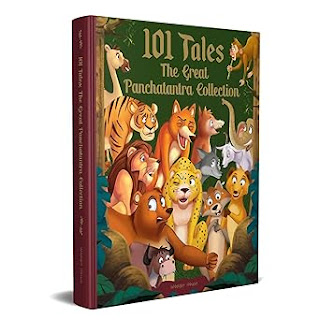
The Great Panchatantra
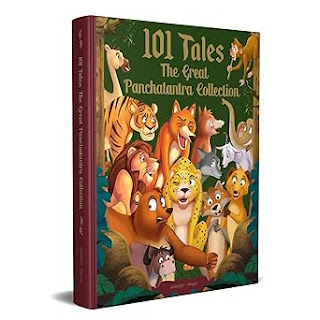
seems like you’re referring to the Panchatantra, an ancient Indian collection of interrelated animal fables that offer moral lessons, often framed as stories that provide wisdom on various aspects of life. The Panchatantra consists of five sections (or “Tantras”), each focusing on different themes such as friendship, wisdom, and strategy.
The term “intrastation” isn’t commonly associated with the Panchatantra, so I wonder if you mean an introduction or perhaps a specific part of the work. If you’re asking about an introduction or the core principles of the Panchatantra, here’s a brief breakdown:
- Mitra-Bheda (The Separation of Friends) – Discusses how friends can be divided through deceit and misunderstandings.
- Mitra-Labha (The Gaining of Friends) – Talks about the value of making friends and how to gain loyalty.
- Kakolukiyam (The War Between Crows and Owls) – Focuses on conflicts and strategies in difficult situations.
- Labdhapranasam (Loss of Gains) – Teaches about the dangers of greed and how one can lose what was once gained.
Apariksitakarakam (The Ill-Considered Action) – Deals with rash actions and their potential negative consequences.
FAQ: The Great Panchatantra
1. What is the Panchatantra?
The Panchatantra is a collection of ancient Indian fables and stories, written by the scholar Vishnu Sharma around 200 BCE. These fables feature animals and impart moral lessons on various aspects of life, such as wisdom, friendship, and decision-making.
2. What are the five sections of the Panchatantra?
The Panchatantra is divided into five books or “Tantras,” each focusing on different life lessons:
- Mitra-Bheda (The Separation of Friends): Deals with how deceit and misunderstandings can destroy friendships.
- Mitra-Labha (The Gaining of Friends): Focuses on the importance of gaining and maintaining loyal friendships.
- Kakolukiyam (The War Between Crows and Owls): Teaches strategies for dealing with conflicts and challenges.
- Labdhapranasam (The Loss of Gains): Warns against greed and carelessness, showing how they can lead to the loss of valuable things.
- Apariksitakarakam (The Ill-Considered Action): Focuses on the consequences of hasty, unwise actions.
Each story in the Panchatantra is designed to teach a specific moral or lesson. Common themes include:- The importance of cleverness and wisdom.
- The value of friendship and loyalty.
- Caution against greed and carelessness.
- The consequences of unwise actions.
- Strategies for dealing with enemies and challenges.
- Vishnu Sharma is the author traditionally credited with compiling the Panchatantra. According to legend, he was a learned scholar who wrote these stories to teach the principles of governance and statecraft to three young, foolish princes.5. Why are animals used in the stories?
Animals are used as characters in the Panchatantra to personify human traits and behaviors. These animals engage in activities that mirror human conflicts and social dynamics, which makes the stories accessible and relatable. The use of animals also gives the stories a timeless and universal appeal.6. Is the Panchatantra only for children?
While the Panchatantra is often associated with children’s literature, its lessons are valuable for people of all ages. The stories provide practical wisdom that can apply to adults in their professional, social, and personal lives.